Paramedic
Take the next step in your EMS career with a state-approved Paramedic program designed for working EMTs. Learn advanced assessment, cardiology, pharmacology, airway management, and hands-on ALS care in a supportive, structured environment.
Paramedic Program Cost Breakdown:
ItemCost
Textbooks & Learning Materials $950.95
Platinum Ed Testing$105.00
Platinum Ed Planner$95.00Paramedic
Program Polo$50.00
Background Check & Clinical Student Access$130.00
Student ID Card$20.00
Tuition$7,449.05
Total Program Cost$8,800.00
Not Included in Course Cost:
Students are responsible for purchasing the following personal equipment:EMS duty pantsBootsTrauma shearsStethoscopeOther recommended personal gear
Answer the call
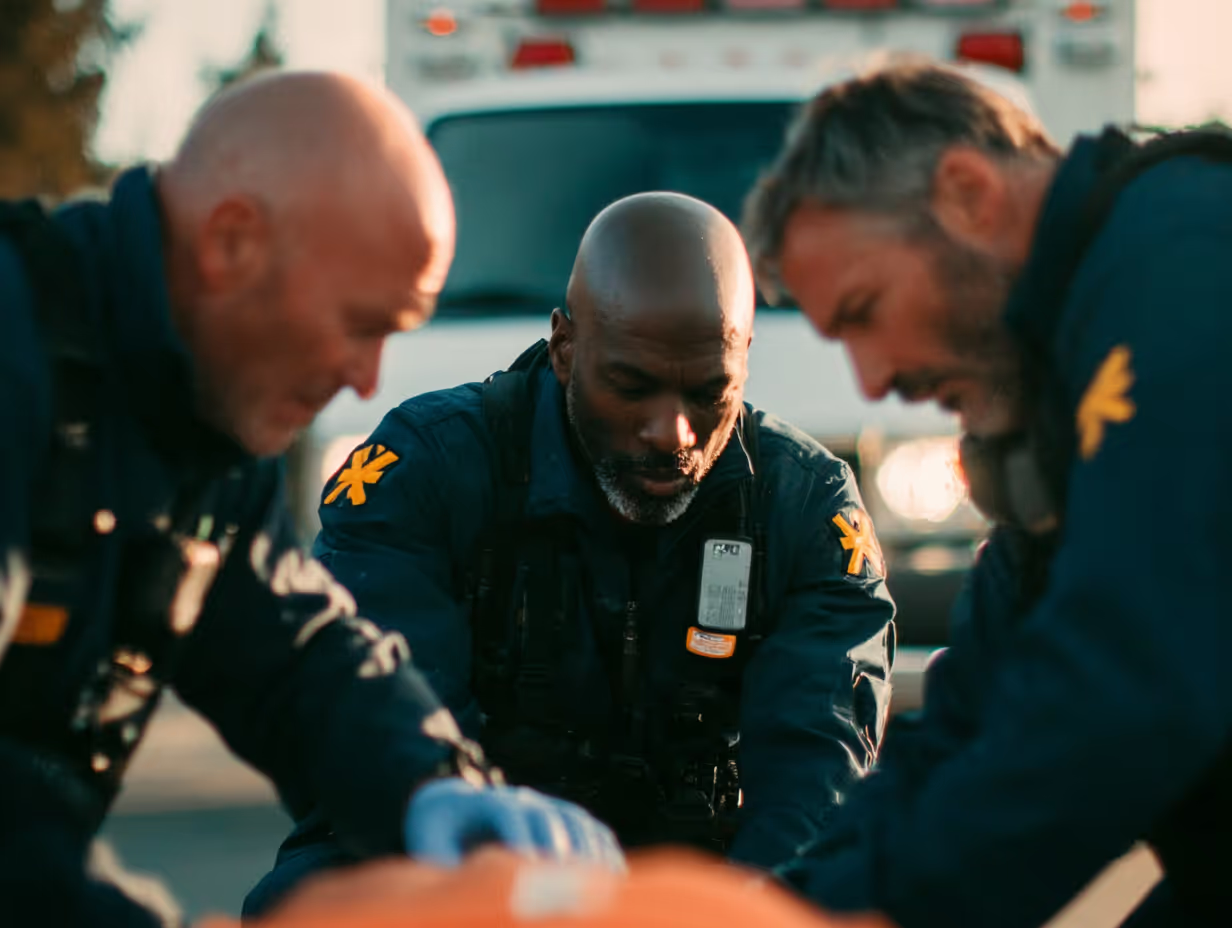
Paramedics are trusted with the highest level of pre-hospital medical care. In this program, you’ll learn to manage complex emergencies, perform advanced procedures, and make critical decisions with confidence.
Through a blend of classroom instruction, interactive simulations, hospital rotations, and field internships, you’ll develop the clinical judgment and technical skills needed to care for patients when every moment matters.

Advanced patient assessment
Develop the ability to evaluate critically ill and injured patients with accuracy and confidence. You’ll study anatomy, physiology, pathophysiology, and advanced assessment techniques that support complex clinical decision-making in the field.
Airway and critical care
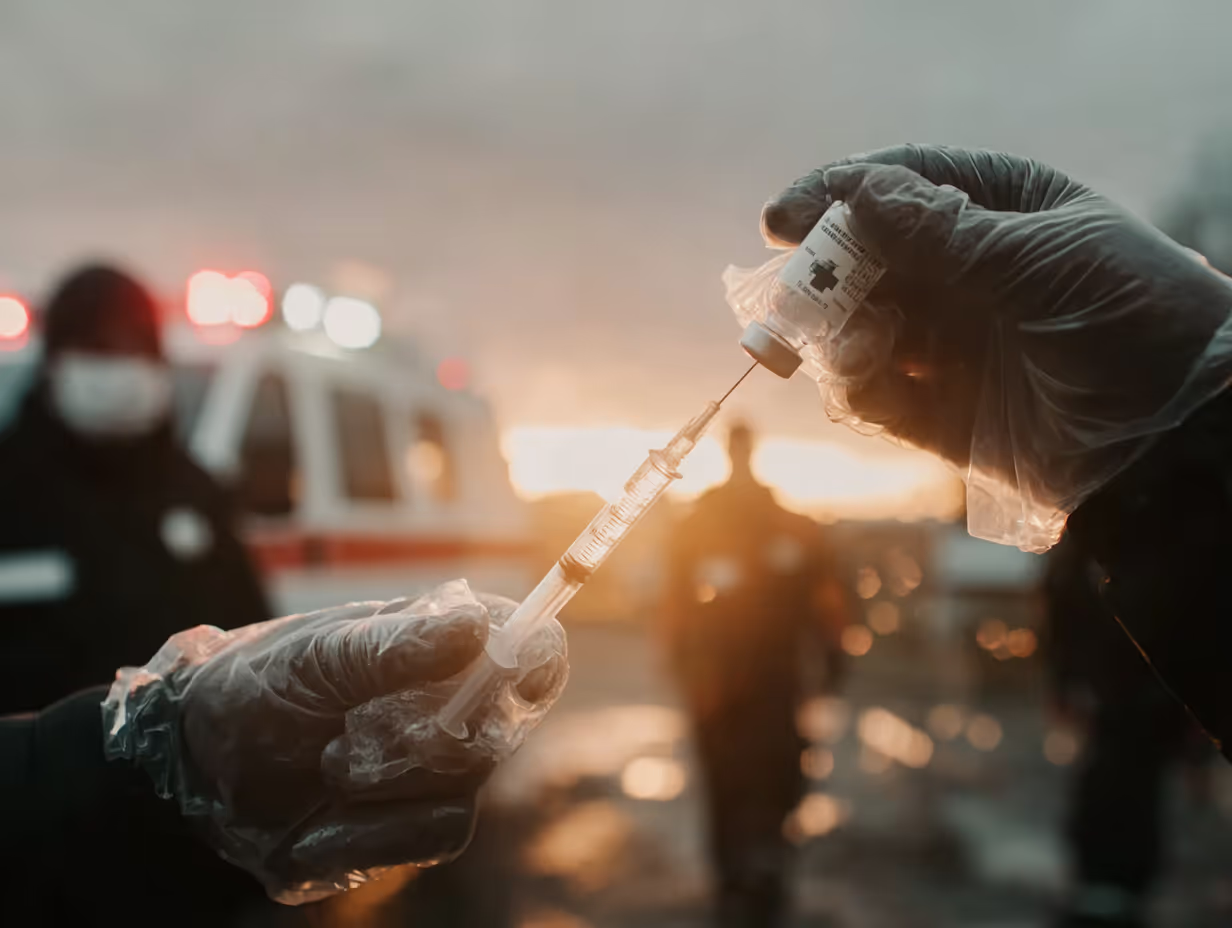
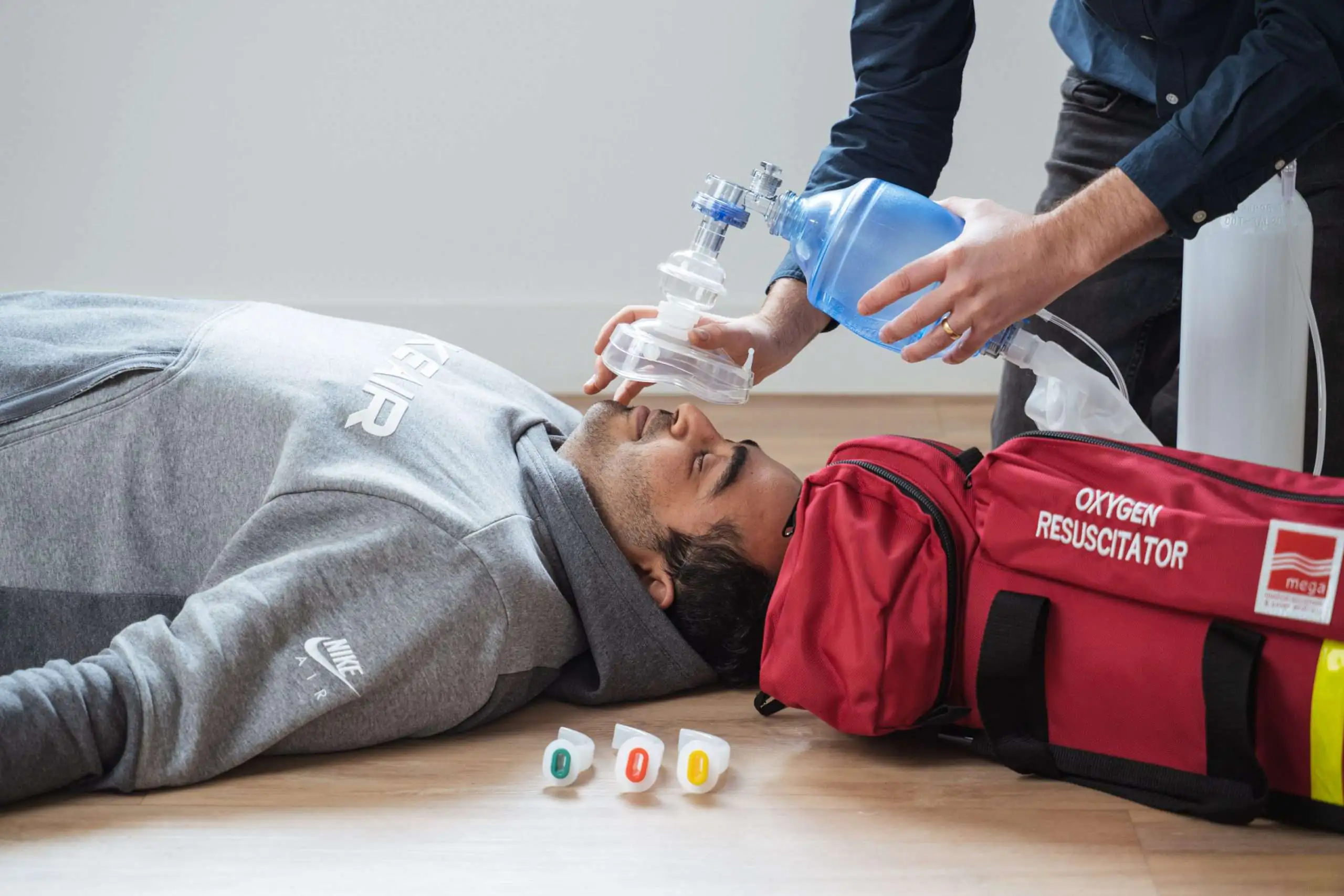
Learn advanced airway and ventilation management, including intubation, medication-assisted airway care, mechanical ventilation concepts, and essential ALS procedures. Build skill with IV/IO access and the medications paramedics administer during high-acuity calls.

Cardiac and trauma care
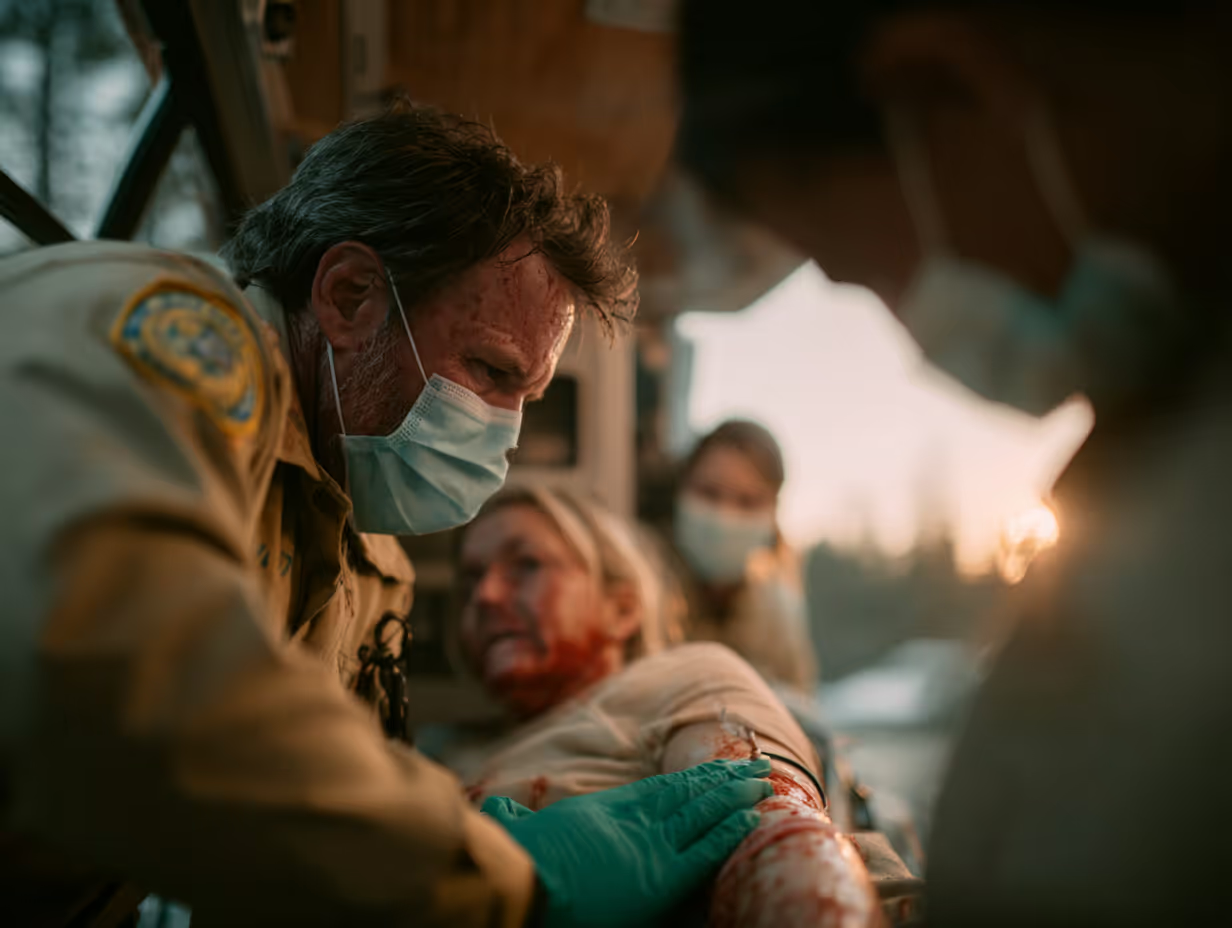
Gain expertise in ECG interpretation, arrhythmia recognition, cardiac pharmacology, and advanced resuscitation. Strengthen your ability to manage trauma, shock, and time-sensitive medical emergencies with paramedic-level proficiency.
Who it's for
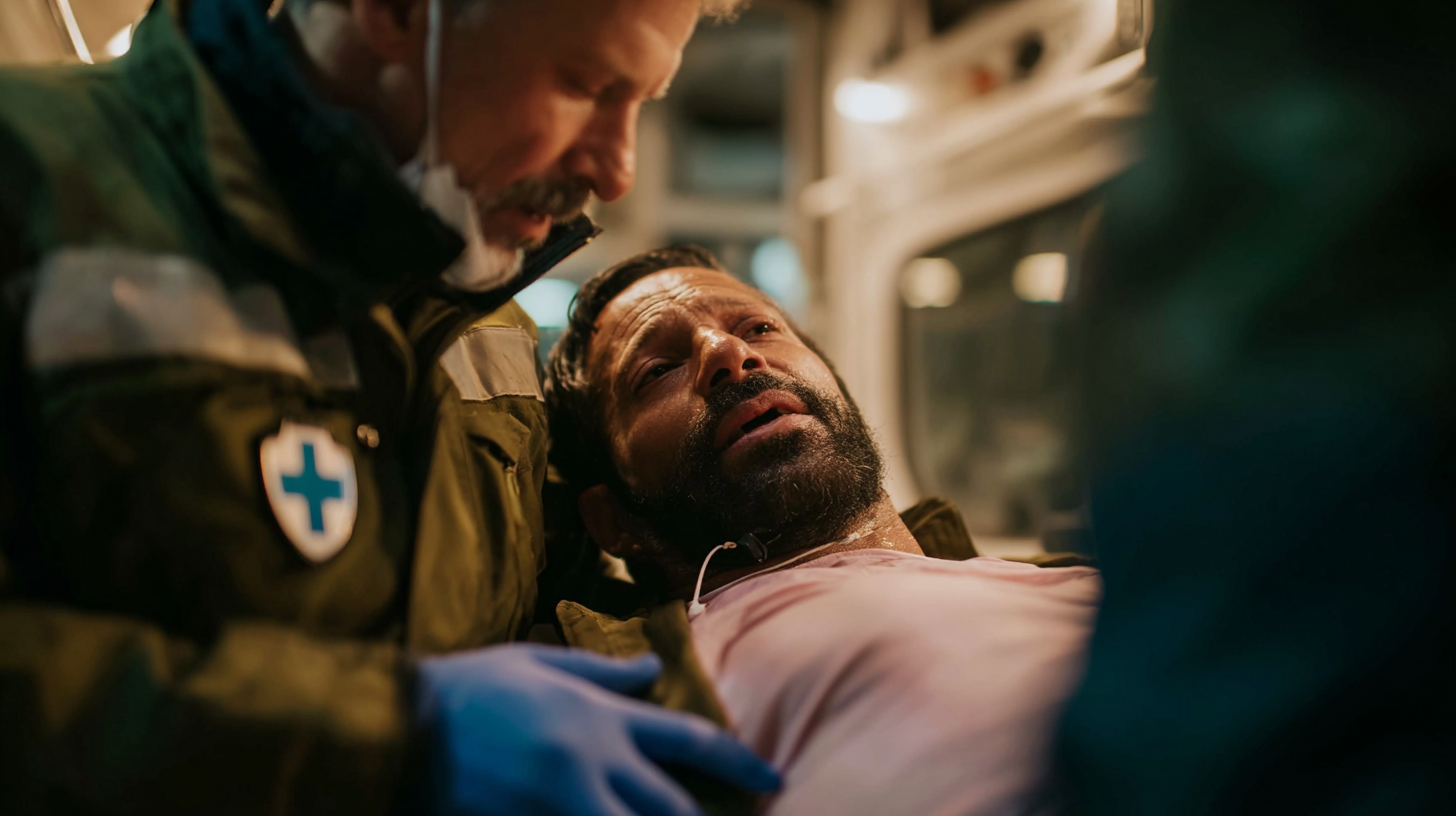
The Paramedic program is designed for working EMTs who want to advance their scope of practice, take on higher-level clinical responsibilities, and provide advanced life support during complex medical and trauma emergencies.
EMT professionals
For working EMTs ready to advance their skills, responsibilities, and earning potential through Paramedic-level training.
Fire service personnel
Ideal for firefighters preparing to meet their department’s ALS requirements or expand their operational medical role.
Hospital and clinical staff
A strong fit for healthcare workers looking to build advanced emergency care skills and gain broader patient care responsibilities.
Military and veterans
Well suited for those with field medical, combat lifesaver, or service backgrounds who want to transition into civilian pre-hospital medicine.
Career-focused learners
For students committed to a healthcare career pathway who want hands-on clinical experience and nationally recognized credentials.
Community responders
For responders who want to provide a higher level of care within their agencies, especially in rural or high-need communities.
Learn from real responders
Kansas City’s top EMS professionals bring real experience and field-tested insight to every course.

HazMat Specialist

Rescue Technician
Field Supervisor

Fire Chief
Paramedic
Registered Nurse

Detective
Negotiation Specialist
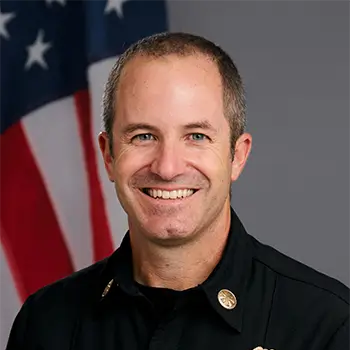
Firefighter/EMT
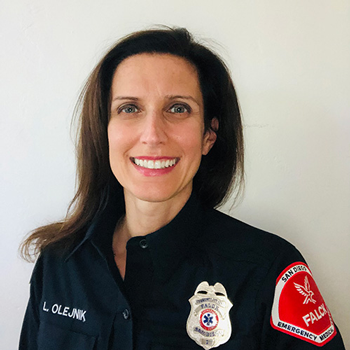
Communications Officer
Get started today
Our programs are designed to make advanced EMS training clear, supportive, and straightforward. You’ll follow a structured path that blends expert-led instruction, real-world skill development, and the testing steps required for certification or licensure. Whether you’re starting your EMS journey or advancing to the next level, the process is simple to follow and built to help you succeed.



Questions?
Visit our FAQ section for more information regarding programs, courses, certifications, and more.
Yes. You must hold a current EMT certification (state or NREMT) before enrollment.
Twelve months, with one class day per week based on your shift—either Monday or Tuesday.
Yes.
Yes you will earn 30 college credit hours to North Central Missouri College.
You’ll complete hospital rotations and a field internship with experienced EMS preceptors.
Students graduate with BLS, ACLS, PALS, PHTLS, and AMLS. Critical Care Paramedic (CCP) is optional.
You’ll need EMT certification, immunizations, a background check, a drug screen, and transcripts (HS/GED and college if applicable). You will also need to provide 2 references and a letter explaining why you want to be a paramedic.
LOR-approved/ LSSR Pending